

☰
Treatment for canine bronchitis:
1. The main treatment method is antibacterial and anti-inflammatory. Vipuda can be used. Vipuda is an antibacterial and anti-inflammatory drug specially developed by Pointe for dogs and cats. Generally, dogs with symptoms of inflammation can use Vipuda to reduce inflammation. Nocofin is used to help sick dogs eliminate phlegm, relieve cough and stop exudation, and use antibiotics to improve the dog's body resistance.
2. During the treatment process, ensure that the trachea of the sick dog is unblocked, so that it can breathe smoothly. When severe respiratory diseases occur, it needs to be given oxygen to prevent hypoxia.
3. Provide a warm and humid recuperation environment for sick dogs, inject antibiotics to dogs to prevent virus infection, and allow dogs to have sufficient nutrition and sleep to prevent sick dogs from feeling uncomfortable and affect the speed of healing. It clears nasal secretions and ensures that the sick dog is well hydrated. After slowly recuperating, the sick dog can heal by itself.
Symptoms of canine bronchitis include:
1. In the early stage of canine bronchitis, there will be a severe dry cough, and then it will become a mild wet cough, often accompanied by symptoms of mucopurulent nasal fluid; when it is severe, there will be a spasmodic cough, which will make the sick dog very uncomfortable.
2. Sick dogs have exercise intolerance, are unwilling to exercise, or will be very tired after a short exercise, feel shortness of breath, difficulty breathing, and sometimes visible mucous membrane cyanosis.
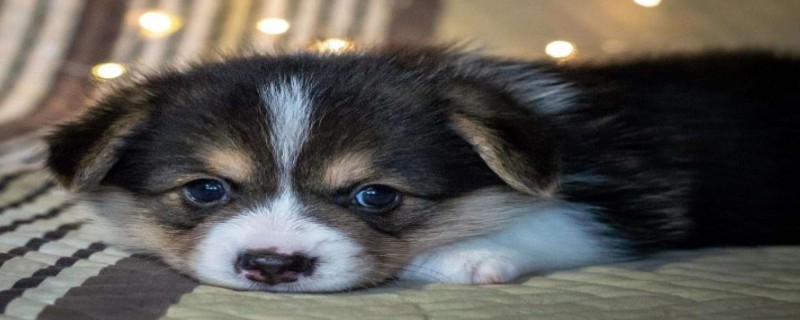
3. Sick dogs will be depressed, easily feel tired, like to lie on the ground, and often drowsy. No matter who sees it, they will feel extremely distressed.
4. Loss of appetite or anorexia. Dogs with bronchitis will have an uncomfortable throat, greatly reduced appetite, or even anorexia, which may lead to weight loss or dehydration.
1. Respiratory system infection: When a dog is infected with an upper respiratory tract disease (such as pneumonia, bronchitis, etc.), its breathing tube will be stimulated by inflammation, resulting
1. Health issues: If your dog has been sleeping and not eating, it may be because he is experiencing a health issue. This may require you to take it to the vet for an examination. The veterinarian wil
How to deal with motion sickness in dogs:1. Oral administration: dimenhydrinate. The dosage is: dogs over 20kg, 50mg/time; dogs over 10-20kg, 25m/time; dogs under 10kg, 10-20mg/time. If the dog eats i
Causes of rabies:1. Rabies virus mainly exists in the brain tissue and spinal cord of sick dogs. There are also a large number of viruses in the salivary glands and saliva of sick dogs, and they are e
After the dog is infected with heartworm, it needs to take drug treatment immediately, and the dog can be treated with the drug of diethylcarbamate orally. However, during treatment, the owner should


CutePetDiary Beloved Pet Star N007 Area
Documenting the wonderful life I share with my pets

PetResearchSociety Beloved Pet Star N002 Area
Love life, love pets

FurryCompanion Beloved Pet Star N009 Area
Every day is filled with sweet moments with my furry companions

PetPrince Beloved Pet Star N0016 Area
My pets are my little princes, they are a part of my life
PetHaven Beloved Pet Star N0015 Area
This is the cozy home for me and my pets, and you re welcome to visit
Copyright © 2023-2099 Meow Meet Woof All rights reserved About Us
Meow Meet Woof - Escorting the healthy life of beloved pets!